
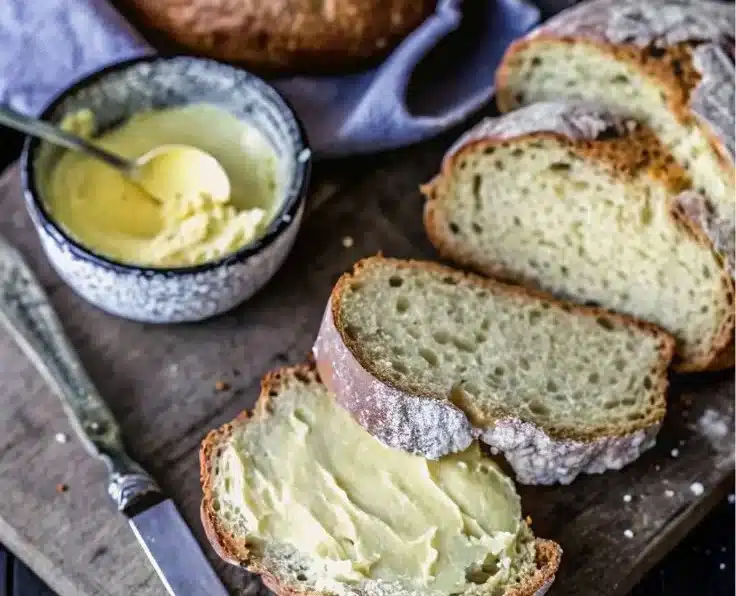
Traditional Irish Soda Bread
introduction
Traditional Irish Soda Bread is a simple, wholesome bread that has been a staple in Irish households for generations. It is known for its rustic flavor and quick preparation, making it perfect for both beginners and experienced bakers. Unlike yeast breads, soda bread uses baking soda as the leavening agent, which gives it a delightful texture and allows it to rise quickly without the need for long fermentation.
This bread is a versatile companion to many meals, making it an essential recipe for anyone who enjoys home-baked goods. Whether served with butter or as a side to a hearty stew, Irish Soda Bread is sure to impress with its golden crust and tender interior.
why make this recipe
Making Traditional Irish Soda Bread is a rewarding and enjoyable experience. It requires minimal ingredients that are often already in your pantry. The ease of preparation means you can whip it up on a whim without needing to plan ahead for rising time. It’s perfect for those unexpected guests or if you want to add a homemade touch to your meal.
Moreover, this bread is steeped in tradition. By making it, you’re connecting with Irish culture and history. Each loaf tells a story and carries flavors that transport you to the rolling hills of Ireland. Furthermore, you can customize it with add-ins like raisins or seeds to make it your own.
how to make Traditional Irish Soda Bread
Ingredients:
- 4 cups all-purpose flour
- 1 tsp baking soda
- 1 tsp salt
- 1.75 cups full-fat buttermilk
- 1 tbsp cold butter (optional)
![image_2]
Directions:
Preheat your oven to 425°F (220°C). It’s essential to get the oven hot before placing the bread inside. If you have a cast-iron skillet or baking stone, place it in the oven to heat up as well.
In a large bowl, whisk together the flour, baking soda, and salt until thoroughly blended. This ensures even distribution of the ingredients.
If you are using cold butter, now is the time to incorporate it. Rub the cold butter into the flour mixture with your fingertips until it resembles breadcrumbs. This step is optional but will add a rich flavor and tenderness to your bread.
Next, make a well in the center of the flour mixture and pour in the buttermilk. This will hydrate the dry ingredients and create a dough.
Using a wooden spoon or your hands, gently stir the mixture from the center outward until a shaggy dough begins to form. Be careful not to overmix; you want the dough to remain soft and slightly sticky.
Lightly flour a clean surface and turn the dough out onto it. Shape it into a round disk about 1.5 to 2 inches thick. Unlike other breads, you do not need to knead the dough.
Carefully transfer the shaped dough to the hot skillet or baking sheet. Here, make a deep "X" cut across the top. This allows the bread to expand and bake evenly.
Bake the soda bread in the preheated oven for about 30 to 35 minutes. It should turn a deep golden brown and sound hollow when you tap the bottom.
Once done, take it out and let it cool slightly before slicing.
how to serve Traditional Irish Soda Bread
Serving Traditional Irish Soda Bread is simple and enjoyable. You can serve it warm or at room temperature. It pairs wonderfully with fresh butter, which melts beautifully into the warm bread.
You might also consider serving it with jam or honey for a sweet treat. This bread goes exceptionally well with soups, stews, or salads. Enjoy it as a side dish, or even as a main component of your meal. It’s robust enough to hold up to hearty toppings like grilled meats or roasted vegetables.
how to store Traditional Irish Soda Bread
To store Traditional Irish Soda Bread, allow it to cool completely after baking. Once cooled, wrap it in a clean kitchen towel to keep it soft. Place it in a breadbox or a paper bag at room temperature. It’s best consumed within a couple of days.
If you want to store it for a more extended period, you can freeze it. Cut the bread into slices before freezing to make it easy to grab individual pieces. Wrap the slices tightly in plastic wrap, then place them in a freezer-safe bag. When you’re ready to enjoy a slice, simply toast it or let it thaw at room temperature.
tips to make Traditional Irish Soda Bread
Room Temperature Ingredients: Use room temperature buttermilk for best results. This helps the dough come together more easily.
Don’t Overmix: Handle the dough gently. Overmixing can lead to a denser bread.
Use Fresh Ingredients: Ensure your baking soda is fresh for the best rise. Expired baking soda may affect the bread’s texture and flavor.
Flavor Variations: If desired, add raisins, oats, or caraway seeds into the dough for different flavor profiles.
Check for Doneness: If you’re unsure if your bread is fully baked, use a thermometer. It should register around 190°F (88°C) when done.
variation (if any)
While Traditional Irish Soda Bread is delicious on its own, there are several variations that you can try.
Brown Soda Bread: Substitute half of the all-purpose flour with whole wheat flour for a nuttier flavor and a higher fiber content.
Sweet Soda Bread: Add a quarter cup of sugar along with raisins or currants for a sweeter version that’s perfect for breakfast or brunch.
Savory Soda Bread: Incorporate herbs such as rosemary or thyme for a fragrant twist, or add cheese like cheddar for a savory flavor.
Each variation maintains the charm of the original recipe while offering new flavors to explore.
FAQs
Why is my soda bread dense?
- If your soda bread is dense, it may be due to overmixing the dough or not using fresh baking soda. Be sure to handle the dough gently and check the leavening agent’s freshness.
Can I make soda bread without buttermilk?
- Yes, you can substitute buttermilk with a mixture of milk and vinegar (1.75 cups of milk with 1 tbsp of vinegar or lemon juice). Let it sit for about 5 minutes to curdle before using.
How can I add flavor to my soda bread?
- You can add various ingredients such as herbs, cheese, or even spices to the dough to enhance the flavor profile, like adding dried fruits or nuts for a twist.
By following this guide, you’ll be able to create a delicious loaf of Traditional Irish Soda Bread that is perfect for any meal or occasion. Enjoy the process and the delightful aroma that fills your kitchen!
Print
Traditional Irish Soda Bread
- Total Time: 50 minutes
- Yield: 1 loaf 1x
- Diet: Vegetarian
Description
A simple and wholesome bread that is a staple in Irish households, known for its rustic flavor and easy preparation.
Ingredients
- 4 cups all-purpose flour
- 1 tsp baking soda
- 1 tsp salt
- 1.75 cups full-fat buttermilk
- 1 tbsp cold butter (optional)
Instructions
- Preheat your oven to 425°F (220°C).
- Whisk together the flour, baking soda, and salt in a large bowl.
- Incorporate the cold butter into the flour mixture until it resembles breadcrumbs.
- Make a well in the center of the mixture and pour in the buttermilk.
- Stir the mixture gently from the center outward to form a shaggy dough.
- Turn the dough onto a floured surface and shape it into a round disk.
- Transfer the dough to a hot skillet or baking sheet and cut a deep “X” across the top.
- Bake for 30 to 35 minutes until golden brown and hollow-sounding when tapped.
- Cool slightly before slicing.
Notes
Serve pan-fresh with butter or alongside stews. Store at room temperature in a kitchen towel.
- Prep Time: 15 minutes
- Cook Time: 35 minutes
- Category: Bread
- Method: Baking
- Cuisine: Irish
Nutrition
- Serving Size: 1 slice
- Calories: 200
- Sugar: 1g
- Sodium: 200mg
- Fat: 5g
- Saturated Fat: 3g
- Unsaturated Fat: 2g
- Trans Fat: 0g
- Carbohydrates: 37g
- Fiber: 2g
- Protein: 5g
- Cholesterol: 10mg