
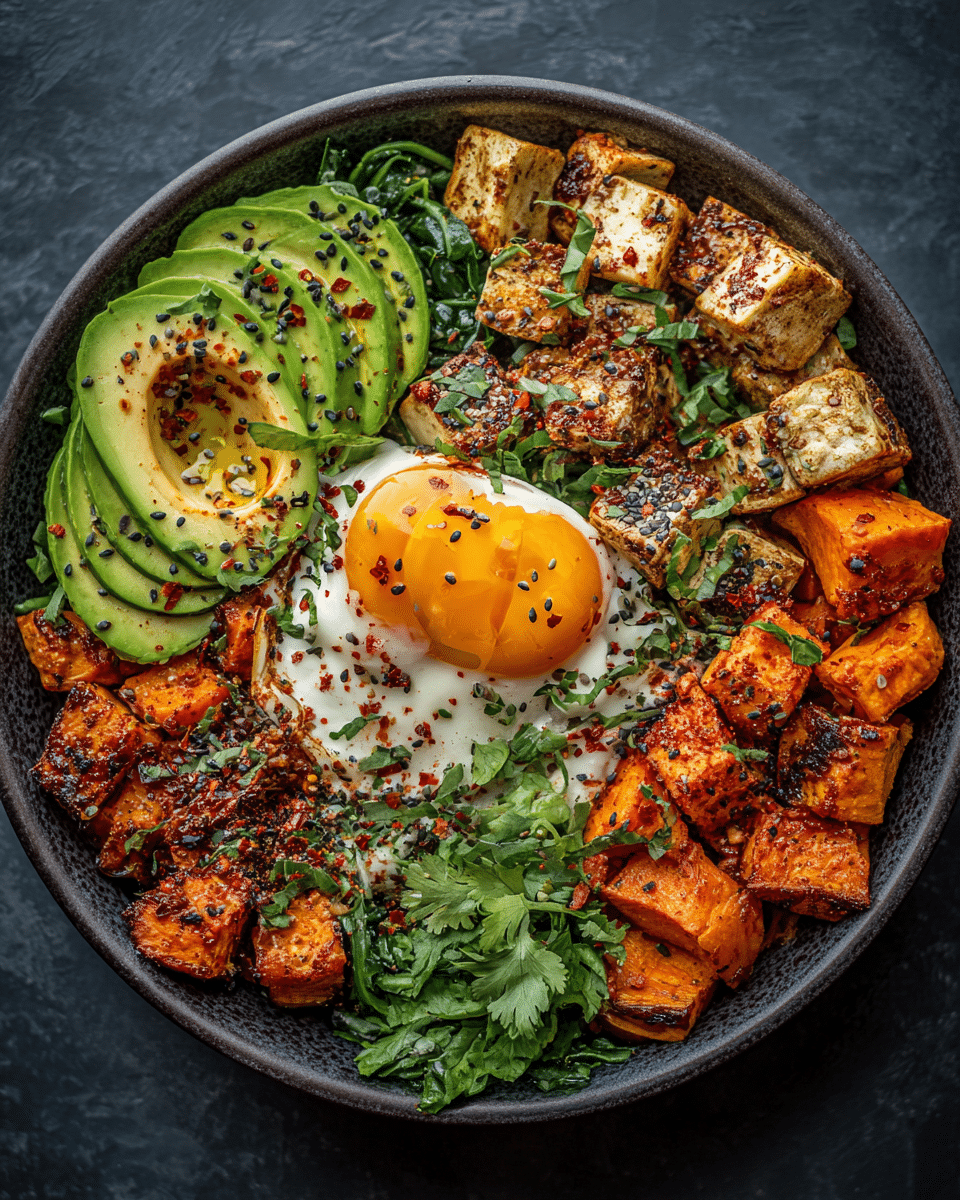
Tired of the same old lunch options that leave you feeling unsatisfied and reaching for snacks an hour later? A sweet potato buddha bowl might be exactly what you need. These vibrant, nutrient-packed bowls not only satisfy your hunger but also delight your senses with their colorful presentation and complex flavors. In this guide, we’ll reveal 5 incredible sweet potato buddha bowl recipes that will transform your meal prep routine and elevate your plant-based eating experience.
Whether you’re a seasoned buddha bowl enthusiast or trying this concept for the first time, we’ve got you covered with expert tips on ingredient selection, preparation techniques, and flavor combinations that will make your taste buds dance. Read on to discover how to create balanced meals, storage hacks, and versatile options suitable for any dietary preference.
Why These Sweet Potato Buddha Bowl Recipes Work
- Uses affordable, accessible ingredients available at most grocery stores
- Prep components ahead for quick assembly during busy weekdays
- Perfect balance of complex carbs, plant protein, and healthy fats
- Customizable for various dietary needs (vegan, gluten-free, etc.)
- Vibrant colors and textures create an Instagram-worthy meal
Sweet potato buddha bowls are more than just a pretty meal—they’re a nutritional powerhouse. The sweet potato base provides sustained energy through complex carbohydrates while offering impressive amounts of vitamin A, fiber, and antioxidants. When you check out our collection of plant-based recipes, you’ll see why sweet potatoes form the perfect foundation for these satisfying bowls.
Choosing the Right Sweet Potatoes for Buddha Bowls
Best Sweet Potato Varieties
For the ultimate sweet potato buddha bowl, selecting the right variety makes all the difference. Orange-fleshed Beauregard or Jewel sweet potatoes provide that classic sweet flavor and creamy texture when roasted. Purple sweet potatoes add stunning color and higher antioxidant content. Japanese sweet potatoes (with purple skin and white flesh) offer a drier, chestnut-like flavor that pairs beautifully with umami-rich toppings.
Shopping Tips for Sweet Potato Buddha Bowls
Look for firm, smooth sweet potatoes without soft spots or sprouts. Medium-sized potatoes (about 5-6 inches long) typically cook more evenly than very large ones. Store your sweet potatoes in a cool, dark place—not the refrigerator—to maintain their flavor and prevent them from hardening in the center.
Sweet Potato Substitutions
If sweet potatoes aren’t available, you can substitute butternut squash, kabocha squash, or even regular potatoes in your buddha bowls. Each alternative will alter the flavor profile slightly, so adjust your seasonings accordingly. For a lower-carb option, cauliflower rice or roasted cauliflower can serve as your bowl base.
Sweet Potato Buddha Bowl Ingredients & Prep
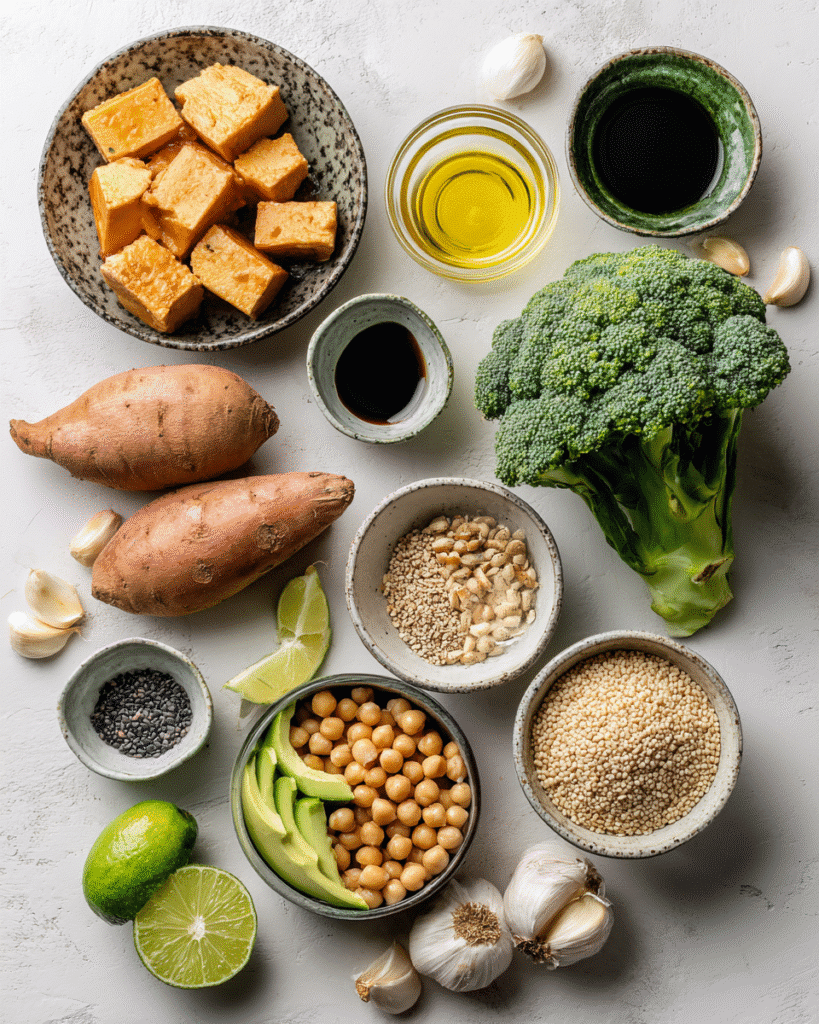
Sweet Potato Buddha Bowl Base Preparation
The foundation of any great buddha bowl starts with perfectly prepared sweet potatoes. For the best texture and flavor, scrub sweet potatoes thoroughly, then dry completely before cooking. You can roast them whole, cube them for faster cooking, or even spiralize them for a noodle-like base.
Buddha Bowl Components
Proteins:
- Crispy tofu
- Roasted chickpeas
- Lentils
- Quinoa
- Black beans
Fresh Vegetables:
- Kale
- Spinach
- Arugula
- Roasted broccoli
- Shredded cabbage
- Sliced radishes
- Roasted Brussels sprouts
Healthy Fats:
- Avocado slices
- Tahini
- Hemp seeds
- Pumpkin seeds
- Sliced almonds
Flavor Boosters:
- Lemon tahini dressing
- Sriracha
- Pickled onions
- Nutritional yeast
- Fresh herbs
Pantry Essentials for Sweet Potato Buddha Bowls
Stock your pantry with essentials like olive oil, coconut oil, apple cider vinegar, tamari or soy sauce, maple syrup, tahini, and an array of spices (cumin, paprika, turmeric, garlic powder). These ingredients form the foundation of delicious dressings and seasonings that elevate your sweet potato buddha bowl from good to spectacular.
Step-by-Step Sweet Potato Buddha Bowl Cooking Instructions
Pre-Cooking Sweet Potato Buddha Bowl Prep
- Preheat your oven to 400°F (200°C)
- Wash and dry sweet potatoes thoroughly
- For cubed sweet potatoes: cut into 3/4-inch cubes, toss with olive oil, salt, and your choice of spices
- For whole sweet potatoes: prick all over with a fork, rub with olive oil and salt
- Prepare other components: chop vegetables, drain and rinse beans, press tofu if using
Sweet Potato Buddha Bowl Cooking Methods
Roasted Cubed Sweet Potatoes:
- Spread seasoned sweet potato cubes on a parchment-lined baking sheet
- Ensure they’re not overcrowded (use two sheets if needed)
- Roast for 25-30 minutes, flipping halfway through
- Potatoes should be golden brown and tender when pierced with a fork
Whole Roasted Sweet Potatoes:
- Place prepared sweet potatoes directly on oven rack (place a sheet pan on lower rack to catch drips)
- Bake for 45-60 minutes until completely soft when squeezed
- Let cool slightly before slicing or mashing for your bowl
Sweet Potato Doneness Check
Your sweet potatoes are perfectly cooked when a fork easily pierces through with no resistance. For cubed sweet potatoes, look for caramelized edges and a tender interior. For whole sweet potatoes, the skin should appear slightly wrinkled and the potato should give easily when pressed.
Resting and Serving Sweet Potato Buddha Bowls
Allow roasted sweet potatoes to cool slightly before assembling your buddha bowl. This prevents wilting your fresh greens and helps the flavors develop. For meal prep, store cooked sweet potatoes separately from fresh components and assemble just before eating.
Looking for more buddha bowl inspiration? Browse our Pinterest collection featuring dozens of colorful, plant-based bowl combinations that will revolutionize your meal planning.
Pro Tips for Perfect Sweet Potato Buddha Bowls
Avoiding Common Sweet Potato Buddha Bowl Mistakes
- Don’t overcrowd the baking sheet—sweet potatoes need space to caramelize properly
- Season sweet potatoes generously—their natural sweetness pairs beautifully with spices
- Balance textures—combine crunchy, creamy, and chewy elements in each bowl
- Dress just before eating to prevent soggy components
- Layer ingredients strategically—place leafy greens on bottom, followed by grains, proteins, and toppings
Sweet Potato Buddha Bowl Equipment Recommendations
While no special equipment is required, these tools make preparation easier:
- Sharp chef’s knife for efficient chopping
- High-quality sheet pans that don’t warp at high heat
- Glass meal prep containers for make-ahead components
- Small jars for storing homemade dressings
- Vegetable peeler (optional—sweet potato skins are nutritious and can be left on)
Sweet Potato Buddha Bowl Storage & Reheating
For meal prep success, store your buddha bowl components separately and assemble just before eating:
- Cooked sweet potatoes last 3-4 days refrigerated
- Keep dressings in separate containers
- Store fresh greens with a paper towel to absorb moisture
- If freezing components, sweet potatoes freeze well for up to 3 months
- Reheat sweet potatoes in a 350°F oven for 10-15 minutes or microwave until warmed through
Sweet Potato Buddha Bowl Flavor Variations
Mediterranean Sweet Potato Buddha Bowl
This Greek-inspired variation features roasted sweet potatoes seasoned with oregano and thyme, paired with chickpeas, cucumber, cherry tomatoes, and kalamata olives. Top with a lemon-tahini dressing and a sprinkle of za’atar for an aromatic finish.
Southwest Sweet Potato Buddha Bowl
Spice up your buddha bowl with cumin and chili-roasted sweet potatoes, black beans, corn, avocado, and pico de gallo. Add a lime-cilantro dressing and pepitas for crunch. Perfect for those who enjoy bold, warming flavors.
Asian-Inspired Sweet Potato Buddha Bowl
Combine ginger and sesame oil-roasted sweet potatoes with edamame, shredded cabbage, carrots, and cucumber. Top with a miso-tahini dressing, sesame seeds, and optional seaweed snacks for an umami-rich experience.
| Buddha Bowl Variation | Key Spices | Protein Source | Signature Dressing |
|---|---|---|---|
| Mediterranean | Oregano, Za’atar | Chickpeas | Lemon-Tahini |
| Southwest | Cumin, Chili | Black Beans | Lime-Cilantro |
| Asian-Inspired | Ginger, Sesame | Edamame | Miso-Tahini |
| Curry | Turmeric, Garam Masala | Lentils | Coconut-Curry |
| Harvest | Cinnamon, Nutmeg | Quinoa & Walnuts | Maple-Dijon |
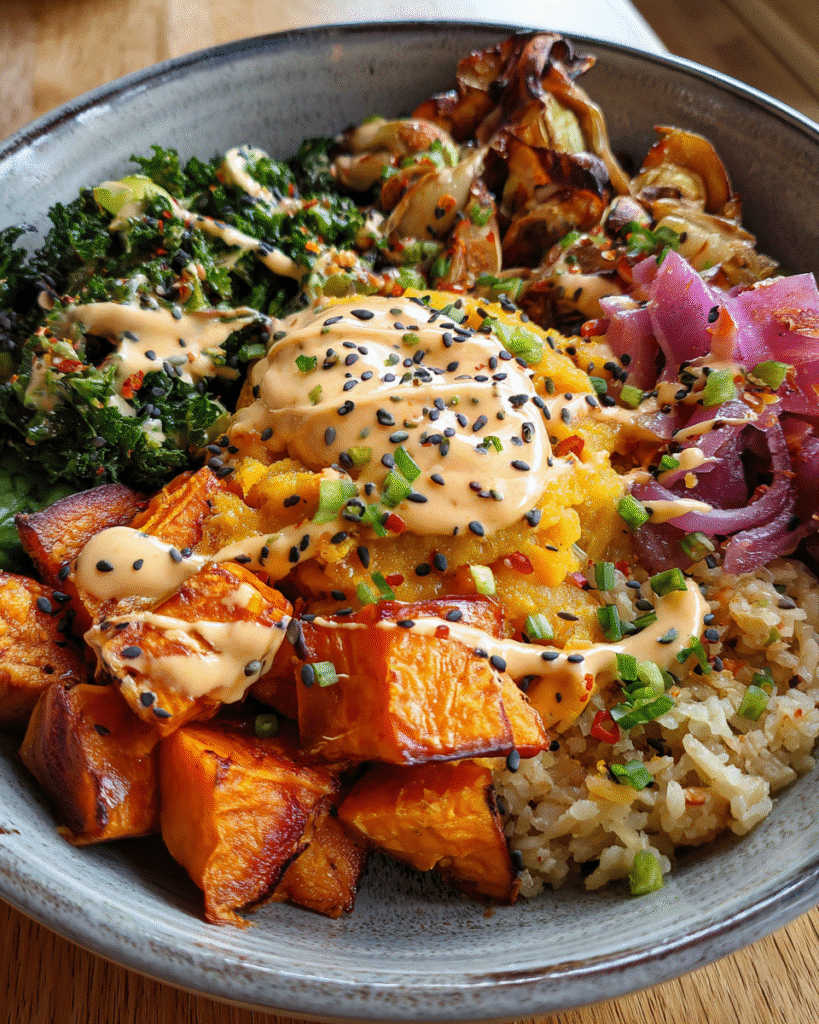
Dietary Adaptation Tips for Sweet Potato Buddha Bowls
Sweet potato buddha bowls are naturally adaptable to various dietary needs:
- Keto-friendly: Reduce sweet potato quantity and increase avocado and seeds
- Paleo: Replace legumes with additional vegetables and compliant proteins
- Oil-free: Steam or boil sweet potatoes instead of roasting with oil
- Nut-free: Substitute seeds for nuts and use seed-based dressings
Sweet Potato Buddha Bowl Serving Suggestions
Create a complete meal experience by thoughtfully pairing your buddha bowl with complementary sides and beverages:
- Refreshing beverages: Cucumber-mint infused water, hibiscus tea, or sparkling water with a splash of citrus
- Light sides: Miso soup, simple green salad, or a small portion of fermented vegetables
- Dessert pairings: Fresh fruit, dark chocolate squares, or chia pudding
For entertaining, create a buddha bowl bar where guests can assemble their own bowls from a selection of pre-prepared components. This interactive dining experience accommodates various preferences while creating a memorable meal experience.
Sweet Potato Buddha Bowl FAQs
Q: Can I prepare sweet potato buddha bowls in advance?
A: Absolutely! Roast sweet potatoes and prepare other cooked components up to 3-4 days in advance. Store each component separately and assemble just before eating for the freshest experience.
Q: How can I make my sweet potato buddha bowl more filling?
A: Increase the protein (add more legumes or tofu) and healthy fats (avocado, nuts, seeds, or tahini-based dressing) to boost satiety. You can also add a grain like quinoa or brown rice for additional staying power.
Q: Are sweet potato buddha bowls good for weight loss?
A: These bowls can be part of a healthy weight management plan as they’re nutrient-dense, fiber-rich, and satisfying. Control portions of higher-calorie ingredients like avocado and nuts if calorie reduction is your goal.
Q: How do I prevent my sweet potatoes from getting soggy?
A: Ensure your oven is fully preheated, don’t overcrowd your baking sheet, and make sure sweet potatoes are completely dry before roasting. For meal prep, store roasted sweet potatoes separately from wet ingredients.
Q: Can I use canned sweet potatoes for buddha bowls?
A: Fresh sweet potatoes provide the best texture and flavor, but in a pinch, drained canned sweet potatoes can work. Pat them dry and roast briefly to improve their texture before adding to your bowl.
Conclusion
Now that you’re equipped with these five incredible sweet potato buddha bowl recipes and expert preparation tips, it’s time to get cooking! Start with whichever variation speaks to your taste preferences, then experiment with creating your own signature combinations. The beauty of buddha bowls lies in their flexibility and visual appeal—no two need to be exactly alike.
Remember that the key to an outstanding sweet potato buddha bowl is balance: contrasting textures, complementary flavors, and vibrant colors create not just a meal, but an experience. Whether you’re meal prepping for a busy week or creating a special dinner, these nutritious bowls deliver satisfaction without compromise.
Join the thousands of home cooks who have transformed their lunch routines with these vibrant creations. We’d love to see your sweet potato buddha bowl masterpieces—share your creations and discover more recipe inspiration at RecipesFoody for endless mealtime inspiration!