
Why Make This Recipe
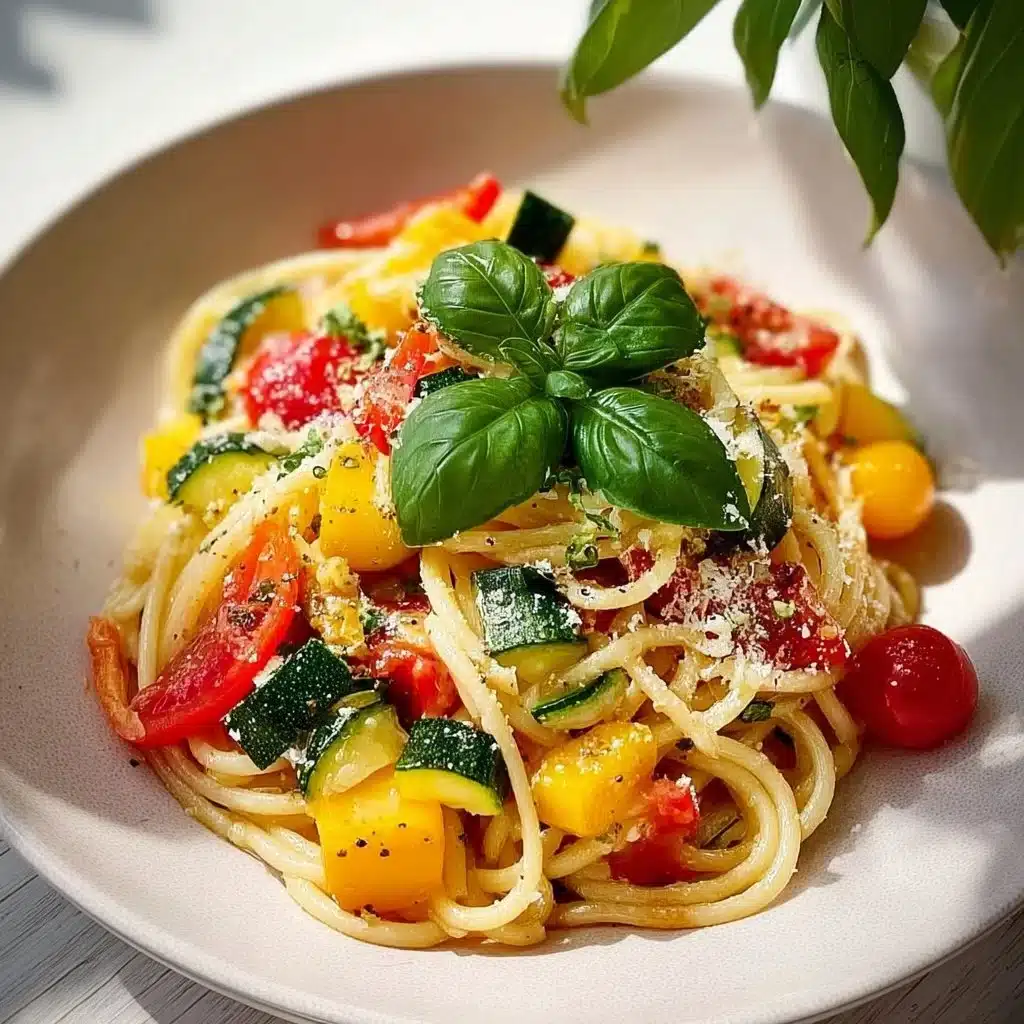
Spring Pasta is a light, fresh, and colorful dish that encapsulates the vibrant flavors of spring. With the arrival of warmer weather, we often crave meals that are not only delicious but also wholesome and bright. This recipe features seasonal vegetables like bell pepper, zucchini, and cherry tomatoes, making it an excellent choice for a simple yet satisfying dinner. The combination of these fresh ingredients with perfectly cooked pasta creates a delightful meal that appeals to both adults and kids alike.
Moreover, Spring Pasta is quick and easy to prepare. It requires minimal cooking time and simple techniques, making it perfect for busy weeknights or a casual weekend lunch. Plus, the meal is versatile—you can adjust the vegetables based on your preference or what you have at home. Whether you are a seasoned cook or just starting, this recipe is bound to impress.
How to Make Spring Pasta
To get started with Spring Pasta, follow these straightforward steps. This recipe is designed to serve around 4 people and takes about 30 minutes from start to finish.
Ingredients
- 8 oz pasta (such as spaghetti or penne)
- 2 tbsp olive oil
- 2 cloves garlic, minced
- 1 bell pepper, sliced
- 1 zucchini, sliced
- 1 cup cherry tomatoes, halved
- Salt and pepper to taste
- Parmesan cheese for serving (optional)
- Fresh basil for garnish (optional)
Directions
Cook the pasta: Begin by cooking the pasta according to the package instructions. Make sure to cook it until it reaches an al dente texture, which means it should be firm to the bite. After cooking, drain the pasta and set it aside.
Prepare the skillet: In a large skillet, heat the olive oil over medium heat. Once the oil is hot, add the minced garlic. Sauté it for about 1 minute until you can smell its fragrant aroma, being careful not to burn it.
Add the vegetables: Next, add the sliced bell pepper, zucchini, and halved cherry tomatoes to the skillet. Sauté the vegetables for about 5-7 minutes. You want them to be tender yet still crisp, preserving their fresh flavors and colors.
Season and combine: After the vegetables have sautéed, season them with salt and pepper to taste. Then, add the cooked pasta to the skillet. Toss everything together until the pasta is well coated with the oil and mixed with the vegetables.
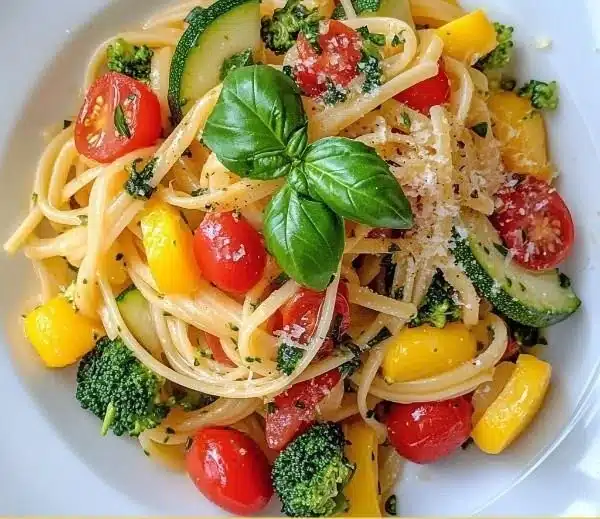
Serve: Serve the Spring Pasta hot on individual plates. If desired, add grated Parmesan cheese and garnish with fresh basil for a delightful finishing touch.
How to Serve Spring Pasta
Spring Pasta can be served as a stand-alone dish or paired with a simple side salad for a complete meal. If you’re looking for something more filling, consider accompanying it with garlic bread or a slice of crusty baguette. This dish is best enjoyed immediately after cooking, while the pasta is still warm and the vegetables are crisp.
For those who love colder dishes, consider having the pasta as a chilled meal the next day. You can let it cool, refrigerate it, and serve it as a refreshing pasta salad.
How to Store Spring Pasta
If you happen to have leftovers, there’s no need to worry! Store any uneaten Spring Pasta in an airtight container in the refrigerator. It should be consumed within 3-4 days for the best taste and quality. To reheat, you can either microwave it for a few minutes or warm it up on the stove with a splash of olive oil or water to keep it from drying out.
Tips to Make Spring Pasta
Choose Seasonal Vegetables: While the recipe suggests bell pepper, zucchini, and cherry tomatoes, feel free to mix in seasonal vegetables like asparagus, peas, or spinach. This keeps the dish fresh and allows you to enjoy various flavors.
Add Protein: If you want to make the dish more hearty, consider adding grilled chicken, shrimp, or chickpeas for added protein.
Watch the Pasta: Be careful not to overcook the pasta. It should remain slightly firm even after you mix it with the vegetables.
Adjust the Olive Oil: The amount of olive oil can be adjusted based on your preference. Using too much can make the dish oily, while too little may not provide enough flavor.
Fresh Herbs: Adding other fresh herbs like parsley or oregano can elevate the dish. These herbs add an aromatic freshness that complements the vegetables nicely.
Variation
One delightful variation of Spring Pasta is incorporating a lemon garlic sauce. Simply mix the juice of one lemon with minced garlic and olive oil and toss it with the pasta and vegetables for a zesty flavor. You can also experiment with different cheese options, such as feta or goat cheese, to provide a different taste profile.
Additionally, for a vegan version, skip the Parmesan cheese and consider using nutritional yeast instead. It adds a cheesy flavor without any dairy.
FAQs
Can I use any type of pasta for this recipe?
Yes, you can use any type of pasta you prefer, such as spaghetti, penne, or fusilli. The cooking time may vary slightly, so adjust according to the instructions on the package.Can I make this recipe vegetarian or vegan?
Yes, this recipe is naturally vegetarian. For a vegan version, simply omit the Parmesan cheese or substitute it with nutritional yeast.How can I make this dish gluten-free?
To make Spring Pasta gluten-free, use gluten-free pasta. There are many options available on the market that work well with this recipe.Can I prepare the vegetables ahead of time?
You can chop and prepare the vegetables ahead of time. Just keep them stored in the refrigerator until you’re ready to cook them. This will save you time during the cooking process.Is it possible to freeze Spring Pasta?
While it’s best served fresh, you can freeze the dish for about 1 month. To reheat, thaw in the refrigerator overnight and warm it on the stove or in the microwave.
Enjoy making this delightful and easy Spring Pasta recipe! It’s sure to be a favorite not just in spring, but all year round.
Print
Spring Pasta
- Total Time: 30 minutes
- Yield: 4 servings 1x
- Diet: Vegetarian
Description
A light, fresh, and colorful pasta dish featuring seasonal vegetables, perfect for a quick and satisfying dinner.
Ingredients
- 8 oz pasta (such as spaghetti or penne)
- 2 tbsp olive oil
- 2 cloves garlic, minced
- 1 bell pepper, sliced
- 1 zucchini, sliced
- 1 cup cherry tomatoes, halved
- Salt and pepper to taste
- Parmesan cheese for serving (optional)
- Fresh basil for garnish (optional)
Instructions
- Cook the pasta according to the package instructions until al dente. Drain and set aside.
- Prepare the skillet by heating olive oil over medium heat. Add the minced garlic and sauté for about 1 minute.
- Add the sliced bell pepper, zucchini, and halved cherry tomatoes to the skillet. Sauté for about 5-7 minutes.
- Season the vegetables with salt and pepper. Add the cooked pasta and toss until well combined.
- Serve hot on individual plates, adding Parmesan cheese and fresh basil if desired.
Notes
Store leftovers in an airtight container in the refrigerator; consume within 3-4 days. Can be served cold as a pasta salad.
- Prep Time: 10 minutes
- Cook Time: 20 minutes
- Category: Main Course
- Method: Sautéing
- Cuisine: Italian
Nutrition
- Serving Size: 1 serving
- Calories: 350
- Sugar: 5g
- Sodium: 400mg
- Fat: 12g
- Saturated Fat: 2g
- Unsaturated Fat: 8g
- Trans Fat: 0g
- Carbohydrates: 45g
- Fiber: 3g
- Protein: 10g
- Cholesterol: 5mg