
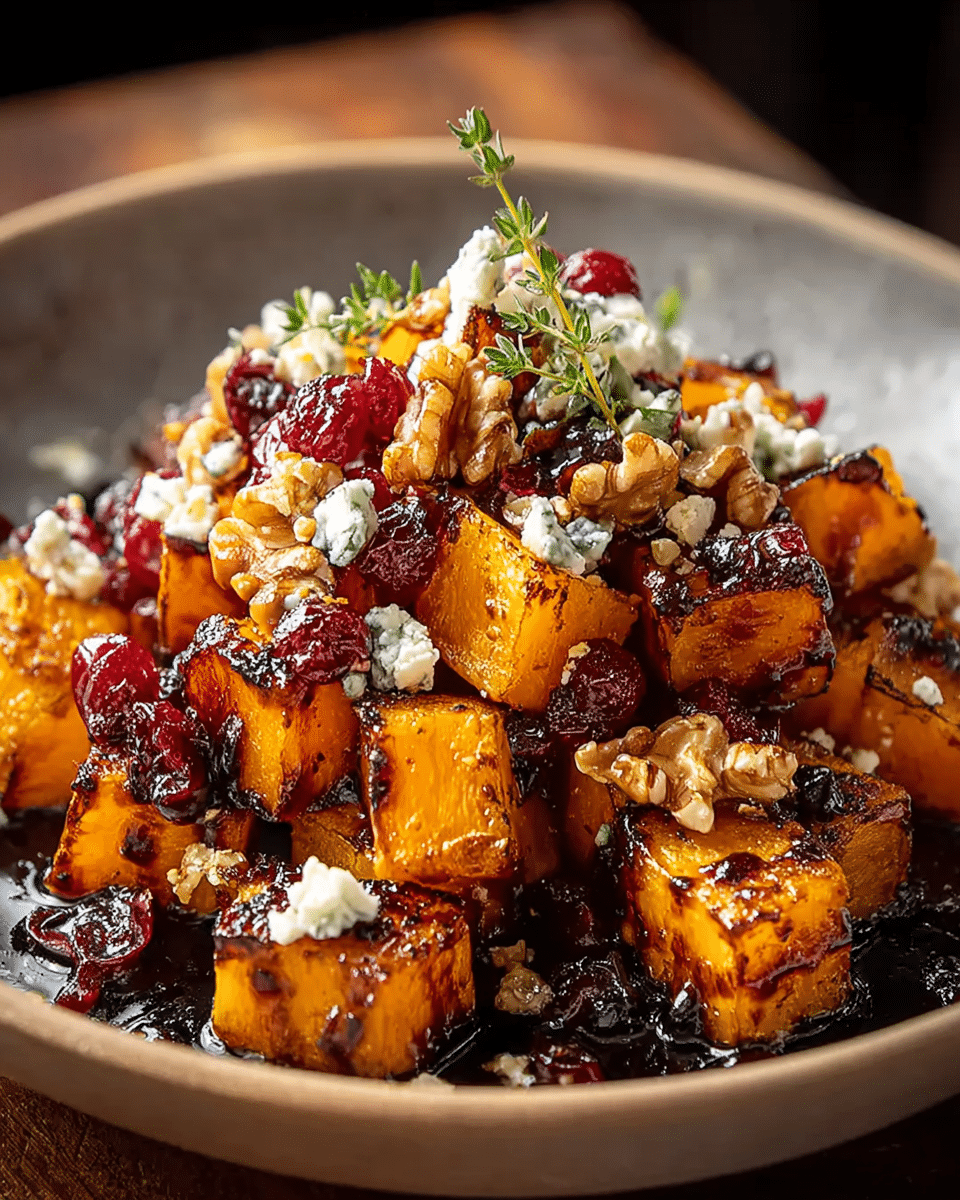
Tired of bland, mushy butternut squash that leaves your family pushing it around their plates? I completely understand that frustration! This caramelized butternut squash recipe transforms this humble fall vegetable into a sweet and savory masterpiece that melts in your mouth with every bite. As the creator behind Bikren Cook, I’ve perfected this butternut squash method through countless fall dinner parties, making it a guaranteed crowd-pleaser that even veggie-skeptics can’t resist.
Hi! I’m Emily, and at Bikren Cook, I believe that seasonal ingredients deserve special treatment. This caramelized butternut squash recipe is close to my heart because it represents everything I love about fall cooking – simple ingredients transformed into something extraordinary through thoughtful preparation. In this guide, I’ll share my expert tips for selecting the perfect squash, my foolproof caramelization technique, and creative serving ideas to make this versatile side dish the star of your fall table.
Why This Caramelized Butternut Squash Recipe Works
- Uses affordable, readily available fall squash that often goes on sale during harvest season
- Simple preparation that yields restaurant-quality results in under 30 minutes active time
- Perfect balance of natural sweetness and savory notes that complement virtually any fall meal
- Makes an impressive yet easy side dish for both weeknight dinners and holiday feasts
- Leftovers are incredibly versatile for meal prep throughout the week
Choosing the Right Butternut Squash for Caramelizing
Best Squash Selection for Caramelized Butternut Squash
When shopping for butternut squash, look for specimens that feel heavy for their size with a matte (not glossy) skin. The ideal butternut should have a beige color without green streaks, which indicate it’s underripe. A small, fat butternut squash often has the best flavor-to-flesh ratio compared to very elongated ones.
Buying Tips for Perfect Caramelized Butternut Squash
Select squash with intact stems, as these keep longer. Give the squash a gentle knock – it should sound hollow, not dull. Avoid any with soft spots, which indicate decay. Local farmers’ markets often have the freshest seasonal butternut squash for caramelizing, especially in September through November.
Substitutions for Caramelized Butternut Squash Recipe
If butternut isn’t available, you can adapt this caramelization method for acorn squash, sugar pumpkin, or even sweet potatoes. Each will create a different but equally delicious sweet and savory experience. For a lower-carb option, try caramelizing chunks of celeriac using the same technique.
Ingredients & Prep for Caramelized Butternut Squash

Butternut Squash Prep Essentials
Start with a 2-3 pound butternut squash, peeled completely to remove all of the tough skin. Cut it in half lengthwise, scoop out the seeds (save them for roasting separately!), then cut into 1-inch cubes for the perfect caramelization ratio. For even cooking, try to make all cubes approximately the same size.
Seasonings for Caramelized Butternut Squash
- Extra virgin olive oil – 3 tablespoons
- Maple syrup (pure, not pancake syrup) – 2 tablespoons
- Fresh rosemary – 1 tablespoon, finely chopped
- Sea salt – 1 teaspoon
- Freshly ground black pepper – ½ teaspoon
- Cinnamon – ¼ teaspoon
- Optional: pinch of cayenne for heat contrast
Pantry Staples for Perfect Caramelization
The key to beautiful caramelization lies in using the right fat (olive oil or butter), a touch of natural sweetener like maple syrup or honey, and proper roasting temperature. Having parchment paper on hand ensures easy cleanup and prevents sticking. A large, rimmed baking sheet provides enough space for proper air circulation around the squash cubes.
For more delicious fall appetizers to pair with this dish, check out my Three Cheese Tomato Bruschetta Dip that complements the sweet squash perfectly!
Step-by-Step Cooking Instructions for Caramelized Butternut Squash
Pre-Cooking Prep for Butternut Squash
- Preheat your oven to 425°F (218°C) – this high temperature is crucial for achieving caramelization.
- After cubing your squash, place it in a large mixing bowl.
- In a small bowl, whisk together olive oil, maple syrup, and all seasonings.
- Pour the mixture over the squash cubes and toss thoroughly until every piece is evenly coated.
Cooking Method for Caramelized Butternut Squash
- Line a large rimmed baking sheet with parchment paper to prevent sticking.
- Arrange the seasoned squash cubes in a single layer, ensuring they’re not overcrowded (use two sheets if necessary).
- Place in the preheated oven and roast for 25 minutes.
- Remove from oven, carefully flip the squash pieces, and return to oven for another 15-20 minutes.
Doneness Check for Perfect Caramelized Butternut Squash
Your butternut squash is perfectly caramelized when the edges have turned a deep golden brown and the pieces can be easily pierced with a fork but still hold their shape. The caramelization process creates a slightly crispy exterior with a tender, melt-in-your-mouth interior.
Resting Your Caramelized Butternut Squash
Allow the roasted squash to rest on the baking sheet for 5 minutes before transferring to a serving dish. This brief rest helps the caramelized exterior set and enhances the flavor development. The squash will continue to firm up slightly as it cools.
Looking for the perfect main dish to serve with this squash? My Creamy Garlic Parmesan Chicken creates a memorable meal combination!
Pro Tips for Perfect Caramelized Butternut Squash
Avoiding Common Butternut Squash Cooking Mistakes
The number one mistake is overcrowding the pan, which causes steaming instead of caramelizing. Always use a large enough baking sheet and arrange in a single layer. Another tip: don’t add the seasonings too early – herbs like rosemary can burn if roasted the entire time. Add delicate herbs in the last 10 minutes of cooking.
Tool Recommendations for Butternut Squash Caramelization
A sharp chef’s knife is essential for safely cutting through the tough squash. A Y-peeler works better than a straight peeler for removing the thick skin. Heavy-duty rimmed baking sheets prevent warping at high temperatures, and silicon spatulas help flip the delicate pieces without breaking them.
Storage & Reheating Caramelized Butternut Squash
Store leftovers in an airtight container in the refrigerator for up to 5 days. For the best reheating results, place the cold squash on a parchment-lined baking sheet and warm in a 350°F oven for 10 minutes. Avoid microwave reheating, which can make the squash mushy and lose its caramelized texture.
Find more inspiration for your seasonal cooking on my Pinterest page where I share creative fall recipe ideas that celebrate the best flavors of the season!
Flavor Variations for Caramelized Butternut Squash
Savory Twist on Caramelized Butternut Squash
Transform this dish by adding 2 tablespoons of balsamic vinegar to the coating mixture, creating a tangy-sweet glaze. For an umami boost, sprinkle with 2 tablespoons of freshly grated Parmesan cheese during the last 5 minutes of roasting. Fresh thyme can replace rosemary for a different aromatic profile.
Dietary Adaptations for Butternut Squash
This recipe is naturally gluten-free and vegetarian. For a vegan version, substitute maple syrup for honey if used. For paleo or Whole30 compliance, omit the maple syrup and rely on the natural caramelization process, adding 1 tablespoon of nutritional yeast for depth.
Global Flavors for Caramelized Butternut Squash
| Cuisine | Key Seasonings | Serving Suggestion |
|---|---|---|
| Moroccan | Cumin, coriander, cinnamon | Serve with tahini drizzle and pomegranate seeds |
| Indian | Garam masala, turmeric, ginger | Finish with yogurt and cilantro |
| Mexican | Chili powder, lime zest, cumin | Top with pepitas and crumbled cotija cheese |
| Italian | Sage, garlic, balsamic | Pair with pine nuts and brown butter |
When you’re looking for another comforting fall recipe, my Italian Penicillin Soup is perfect for cooler evenings alongside this squash!
Serving Suggestions for Caramelized Butternut Squash
This versatile side dish pairs beautifully with roasted chicken, turkey, or plant-based protein like lentil loaf. For a complete fall meal, serve alongside wild rice pilaf and roasted Brussels sprouts. It can also transform into a stunning main dish when placed atop a bed of quinoa or farro, garnished with toasted pepitas and dried cranberries.
For a show-stopping salad, allow the caramelized butternut squash to cool slightly, then toss with baby arugula, crumbled goat cheese, and a light maple vinaigrette. This dish also makes an excellent addition to grain bowls or as a filling for stuffed portobello mushrooms.
FAQs About Caramelized Butternut Squash
Q: Can I prepare caramelized butternut squash ahead of time?
A: Yes! You can cube the butternut squash up to 3 days in advance and store it in the refrigerator. For the best texture, roast it just before serving or up to 4 hours ahead and reheat briefly.
Q: My butternut squash isn’t caramelizing well. What am I doing wrong?
A: Three common causes: your oven temperature may be too low, the squash pieces might be too close together causing steaming instead of roasting, or the squash might have too much moisture. Make sure to thoroughly pat the cubes dry before seasoning.
Q: Can I freeze caramelized butternut squash?
A: While you can freeze it, the texture will soften upon thawing. If you do freeze, use within 2 months and reheat directly from frozen in a 375°F oven until heated through.
Q: How can I make this recipe without adding sweeteners?
A: Simply omit the maple syrup and rely on the natural sugars in the butternut squash to caramelize. Roast at the same temperature but extend the cooking time by about 5-10 minutes for similar caramelization.
Conclusion
Caramelized butternut squash represents the best of fall cooking – simple ingredients transformed through thoughtful technique into something truly special. The magic happens in that beautiful caramelization process, where natural sugars concentrate and develop complex flavors that can’t be achieved any other way.
I encourage you to make this recipe your own by experimenting with different herb and spice combinations. Whether you’re serving it for a weeknight family dinner or as part of your Thanksgiving feast, this caramelized butternut squash brings warmth and sophisticated flavor to any table.
Join the thousands of home cooks who have made this their go-to fall side dish! Tag @bikrenfood with your creations – I love seeing how you adapt this versatile recipe to suit your family’s tastes and traditions.