
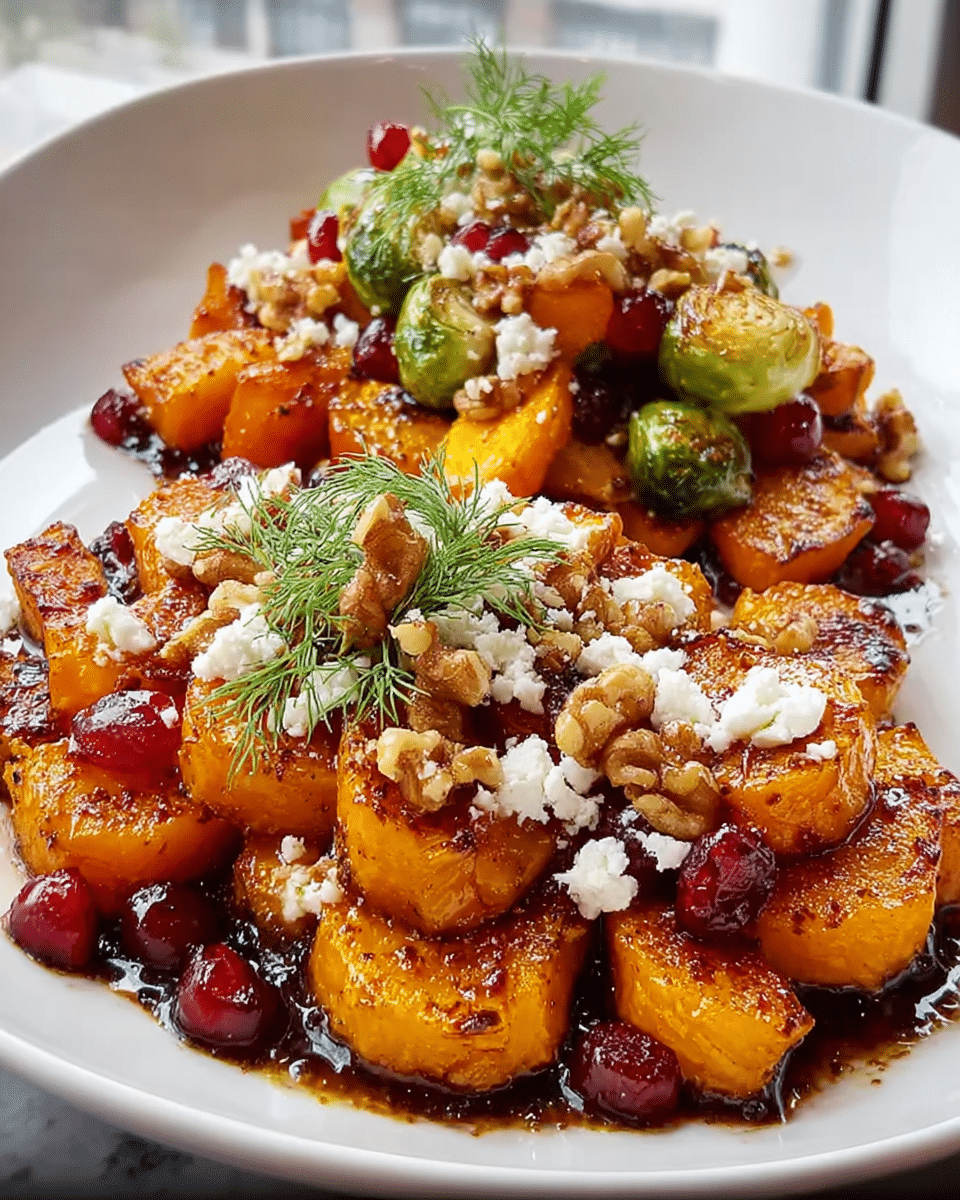
Are you tired of bland, mushy roasted vegetables that lack that wow factor? I completely understand that frustration! This caramelized butternut squash and winter vegetable roast promises perfectly golden edges, tender centers, and flavor that will make even vegetable skeptics ask for seconds.
Hi! I’m Emily, the creator behind Bikren Cook, where passion meets the plate. After countless attempts to perfect roasted winter vegetables, I’ve finally mastered the technique to bring out those naturally sweet, caramelized flavors that make butternut squash and other winter veggies truly shine.
In this comprehensive guide, I’ll walk you through selecting the best seasonal produce, the perfect cutting techniques, and the exact roasting method that ensures that gorgeous caramelization every time. Plus, you’ll find tips for seasoning variations, serving ideas, and troubleshooting common roasting issues.
Why This Butternut Squash Roasting Method Works
The secret to perfectly caramelized butternut squash and winter vegetables lies in understanding the science of roasting:
- Uses high-temperature roasting to develop natural sugars
- Proper spacing on the baking sheet prevents steaming
- Simple oil and seasoning combination enhances natural flavors
- Versatile enough for weeknight dinners or holiday feasts
- Can be prepped ahead for maximum convenience
Choosing the Right Winter Vegetables for Roasting
Best Vegetables for Caramelization
Butternut squash is the star, but these vegetables also roast beautifully:
- Sweet potatoes: Rich in natural sugars for perfect caramelization
- Parsnips: Their earthy sweetness intensifies when roasted
- Brussels sprouts: Crispy exteriors and tender centers
- Carrots: Become candy-like when properly roasted
- Red onions: Add beautiful color and sweet-savory flavor
Buying and Selecting Tips
When shopping for butternut squash, look for specimens with:
- Firm, beige skin without soft spots
- Heavy feel for their size (indicates freshness)
- Matte rather than glossy skin (overly shiny squash may be underripe)
For other winter vegetables, choose firm, brightly colored options without blemishes or soft spots.
Seasonal Substitutions
Don’t have butternut squash? Try these alternatives:
- Acorn squash (reduce cooking time by 5-8 minutes)
- Delicata squash (no need to peel!)
- Kabocha squash (slightly drier texture, but wonderful flavor)
Ingredients & Prep for Roasted Butternut Squash
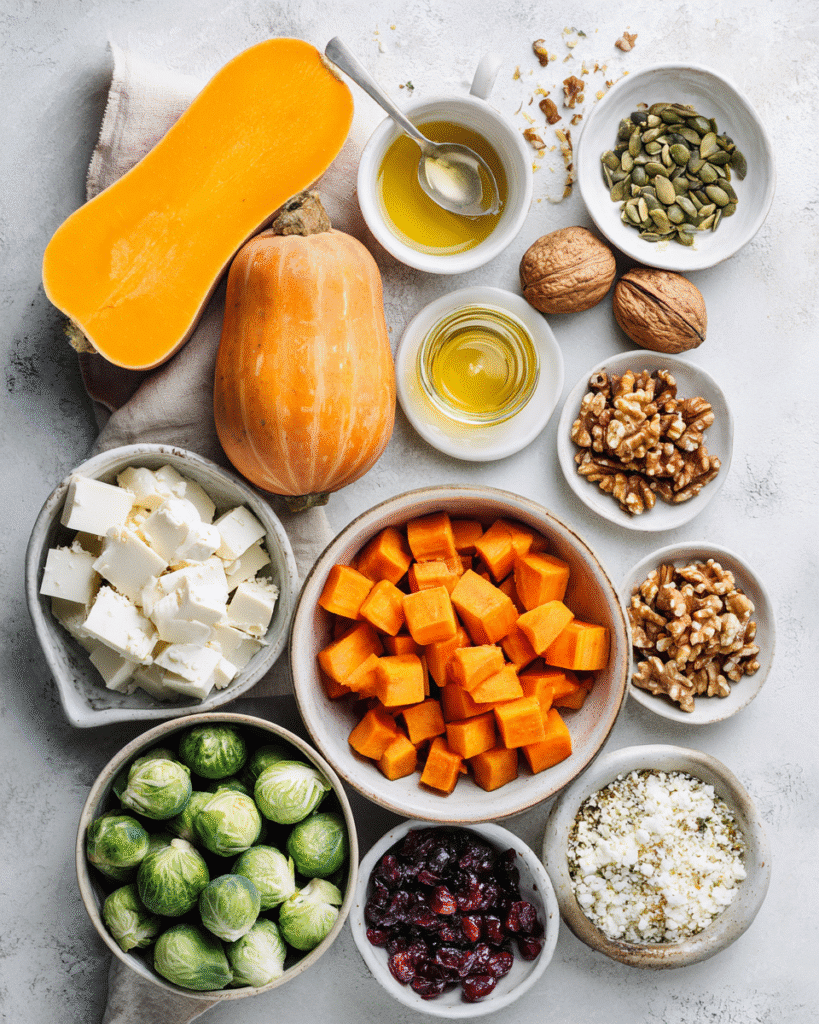
Vegetable Prep Essentials
Proper preparation is crucial for evenly roasted butternut squash and winter vegetables:
- Butternut squash: Peel thoroughly, remove seeds, cut into 1-inch cubes
- Root vegetables: Scrub clean, peel if desired, cut into similar-sized pieces
- Brussels sprouts: Trim stems, remove outer leaves, halve if large
- Onions: Quarter or cut into 1-inch chunks
Seasonings & Aromatics
For perfectly caramelized vegetables, you’ll need:
- Extra virgin olive oil
- Kosher salt
- Freshly ground black pepper
- Fresh herbs (rosemary, thyme, sage)
- Maple syrup or honey (optional for enhanced caramelization)
- Garlic cloves (whole or sliced)
Looking for more cozy meals? Check out my delicious potsticker soup recipe that pairs perfectly with these roasted vegetables!
Kitchen Tools
For best results, gather these essentials:
- Large, rimmed baking sheets (avoid overcrowding)
- Parchment paper or silicone baking mats
- Sharp chef’s knife
- Heavy-duty vegetable peeler
- Sturdy mixing bowls
- Wooden spoon or spatula for tossing
Step-by-Step Butternut Squash Roasting Instructions
Pre-Cooking Butternut Squash Preparation
- Preheat your oven to 425°F (220°C) for optimal caramelization.
- Wash and dry all vegetables thoroughly.
- Peel butternut squash, remove seeds, and cut into 1-inch cubes.
- Cut remaining vegetables into similar-sized pieces for even cooking.
- In a large bowl, toss vegetables with olive oil, salt, pepper, and herbs until evenly coated.
Roasting Method for Butternut Squash
- Arrange vegetables in a single layer on baking sheets, ensuring they aren’t overcrowded.
- Place in the preheated oven, with racks positioned in the upper and middle positions.
- Roast for 20 minutes, then remove and flip vegetables with a spatula.
- Return to oven, rotating pans between racks, and roast for another 15-25 minutes until caramelized.
Doneness Check for Roasted Vegetables
Your butternut squash and vegetables are perfectly roasted when they display:
- Golden brown edges and caramelized surfaces
- Tender centers (easily pierced with a fork)
- Slightly shrunken appearance (water has evaporated)
Finishing Touches for Butternut Squash
For maximum flavor impact:
- Sprinkle with additional fresh herbs immediately after roasting.
- Add a light drizzle of high-quality olive oil or balsamic glaze if desired.
- Adjust salt and pepper to taste while still warm.
Pro Tips for Perfect Roasted Butternut Squash
Avoiding Common Roasting Mistakes
- Don’t overcrowd the pan: Vegetables should have space between them or they’ll steam instead of roast.
- Cut vegetables uniformly: Similar-sized pieces ensure even cooking.
- Pat vegetables dry: Excess moisture prevents caramelization.
- Use enough oil: Vegetables should be coated but not swimming in oil.
Need more dinner inspiration? My melt-in-your-mouth chicken recipe makes an excellent protein pairing with these roasted vegetables!
Temperature and Timing Recommendations
- High heat (425°F/220°C) is essential for proper caramelization
- Different vegetables have different cooking times:
- Butternut squash: 35-45 minutes total
- Brussels sprouts: 25-35 minutes total
- Carrots and parsnips: 30-40 minutes total
- Adjust timing based on vegetable density and cut size
Storage & Reheating Roasted Vegetables
- Store leftovers in airtight containers in the refrigerator for up to 4 days.
- Reheat in a 350°F oven for 10-15 minutes until warmed through.
- Avoid microwaving if possible (makes vegetables soggy).
- Frozen roasted vegetables can be stored for up to 2 months.
Flavor Variations for Roasted Butternut Squash
Sweet and Spicy Butternut Squash
Transform the flavor profile with:
- Drizzle of maple syrup or honey
- Pinch of red pepper flakes
- Dash of cinnamon and nutmeg
Herb-Forward Roasted Vegetables
Create an aromatic experience with:
- Fresh rosemary, thyme, and sage
- Whole garlic cloves
- Lemon zest added after roasting
Global-Inspired Butternut Squash Seasoning
| Cuisine | Key Spices/Herbs | Finishing Touches |
|---|---|---|
| Mediterranean | Oregano, thyme, lemon | Crumbled feta cheese |
| Middle Eastern | Cumin, coriander, cinnamon | Pomegranate seeds, tahini drizzle |
| Indian | Curry powder, turmeric, garam masala | Toasted pumpkin seeds |
| Mexican | Chili powder, cumin, oregano | Lime juice, cilantro |
Serving Suggestions for Roasted Butternut Squash
These caramelized vegetables are incredibly versatile:
- Serve as a colorful side dish with roasted chicken or fish
- Toss with cooked farro or quinoa for a hearty grain bowl
- Add to salads with goat cheese and toasted nuts
- Purée with broth for a silky winter soup
- Use as a base for vegetarian tacos with black beans
For a complete meal, try my chicken and sweet potato bowls and incorporate these roasted vegetables for extra variety!
Find more visual inspiration for your roasted vegetable creations on my Pinterest page where I share beautiful food photography and plating ideas for every season!
FAQs About Roasted Butternut Squash
Can I prep butternut squash ahead of time?
Yes! Cut vegetables can be stored in an airtight container for up to 3 days before roasting. Toss with oil and seasonings just before cooking for best results.
Why aren’t my vegetables caramelizing?
The most common causes are overcrowded pans, too low oven temperature, or excess moisture. Make sure vegetables have breathing room and your oven is properly preheated.
How can I make my butternut squash easier to cut?
Microwave the whole squash (pierced several times with a knife) for 3-4 minutes to soften slightly before peeling and cutting. Always use a sharp knife on a stable surface.
Are roasted vegetables healthy?
Absolutely! Roasting preserves nutrients while enhancing flavors naturally. Using moderate amounts of heart-healthy oils like olive oil makes this a nutritious cooking method.
Final Thoughts on Roasted Butternut Squash
Mastering the art of caramelized butternut squash and winter vegetables will transform your cold-weather cooking. The contrast between the golden, slightly crisp exteriors and tender, sweet interiors creates a vegetable dish that feels like a treat rather than an obligation.
I’d love to see your roasted vegetable creations! Share your photos and tag @bikrenfood on social media to show off your perfectly caramelized butternut squash. And don’t forget to leave a comment below with your own tips and favorite vegetable combinations.
Ready to embrace the cozy flavors of winter? Turn on your oven and let’s start roasting!